


Rififi (1955) has been called the first modern heist film… and one of the best. That likely suggests there is elaborate planning of the crime, a reliance on technology and timing, and perhaps, most of all, thieves with troubled back stories who seek peace more than money.
Back in Paris, fresh out of prison, jewel thief Tony (Jean Servais) isn’t looking for trouble. Then – such is life – he discovers that his former girlfriend Mada (Marie Sabouret) has become the girlfriend of a local gangster. In despair, Tony agrees to a bank job concocted by his buddy Jo (Carl Mohner). Then, ever so slowly, the threads of destiny begin to bind in a noose.
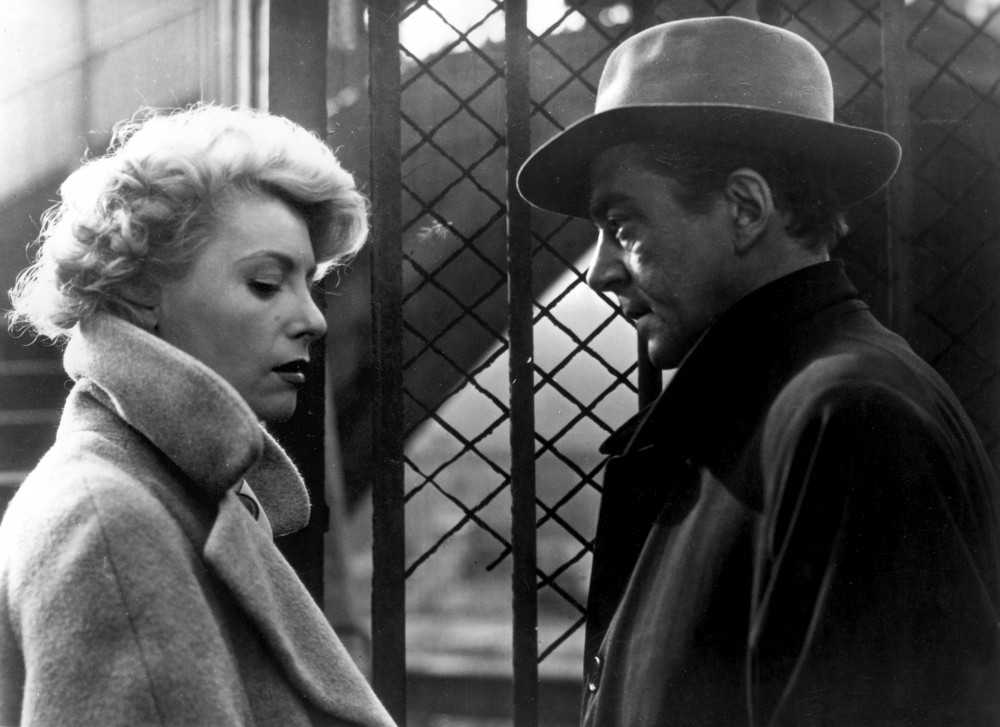
For a heist film, there’s an odd maturity to the narrative. Director Julius Dassin treats criminality with parental compassion. Who are these broken people? Will they ever, truly escape? What’s the difference between desperation and greed? Rififi is a slang word deriving from rif, the French military term for ‘combat zone’ during the First World War. A clue?
In this tattered, black and white dungeon, we witness moments of love, compassion, sacrifice and salvation. Dassin co-wrote the script in six days: how he managed to encompass so many aspects of la condition humaine, is stunning.
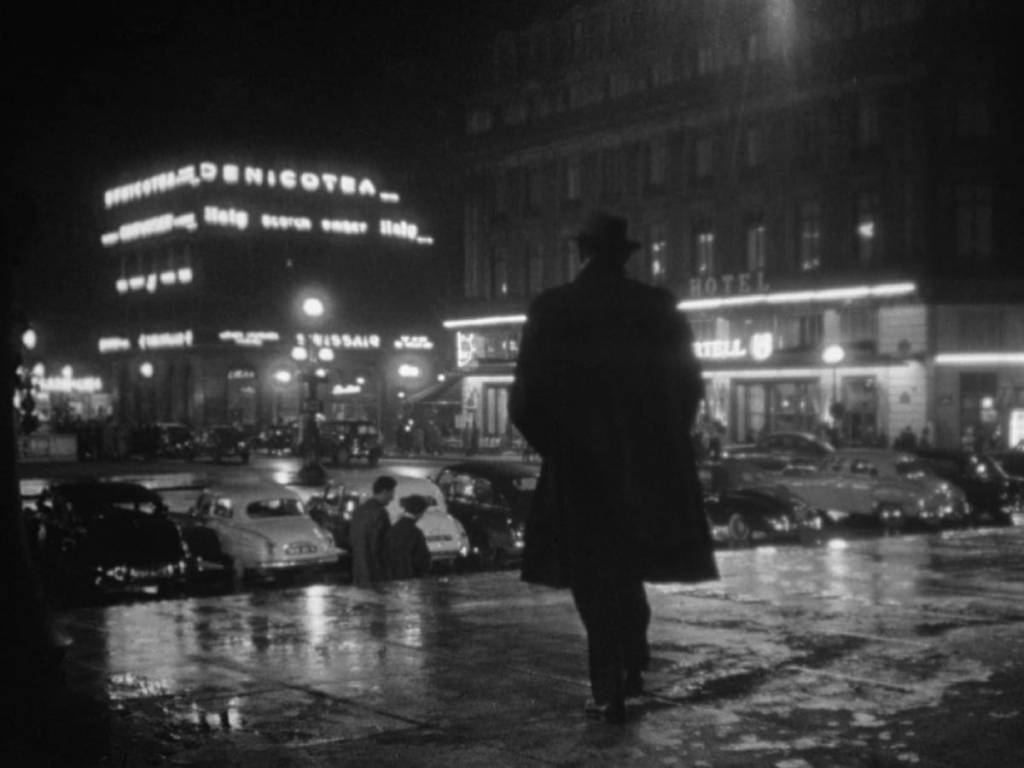
Five years after this film, Jean-Luc Godard gave us Breathless, in which Jean-Paul Belmondo is a petty crook who tries to escape his fate by indulging in scenes from Bogart films, et.al. Rififi is the kind of film noir where protagonists aren’t tough, cops are reasonable, and dialogue is terse but not derivative. It makes no demands beyond the dark constructs of its tiny world. The only character who engages in fantasy is a child. The adults are resigned and tired, knowing they shall never depart ‘the combat zone’.
#rififi #french #film #review #classic #noir #juliusdassin #jeanlucgodard #breathless #crime #heist #paris
 Let's Play Something Else