

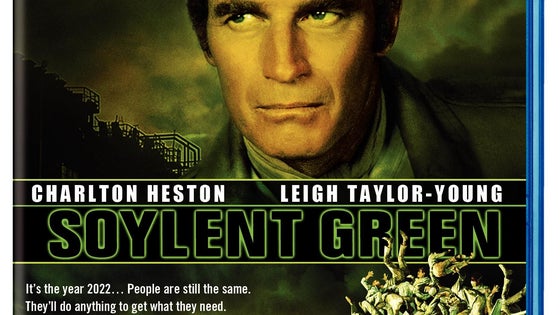
O how the 1970s loved dystopian films. Soylent Green (1973) is up there with the best of them.
We’re in New York City. It’s 2022. The population has swelled to 80 + million. People live in the streets and on stairways, lining up for rations of water and Soylent Green—a high protein biscuit supposedly made from plankton cultivated in the seas.
Enter Charlton Heston with a Planet of the Apes vibe; he’s an exceptional man placed in outrageous circumstances. Those circumstances include starvation. NYC has run out of food. Enter Soylent Green.
The solution? Wait for it… It’s as if the film was reverse engineered from a surprise ending. Everything leads to one critical line of dialogue. If somehow you miss that line, well, you miss the film. A lot of weight is placed on the narrative structure. Tricky.
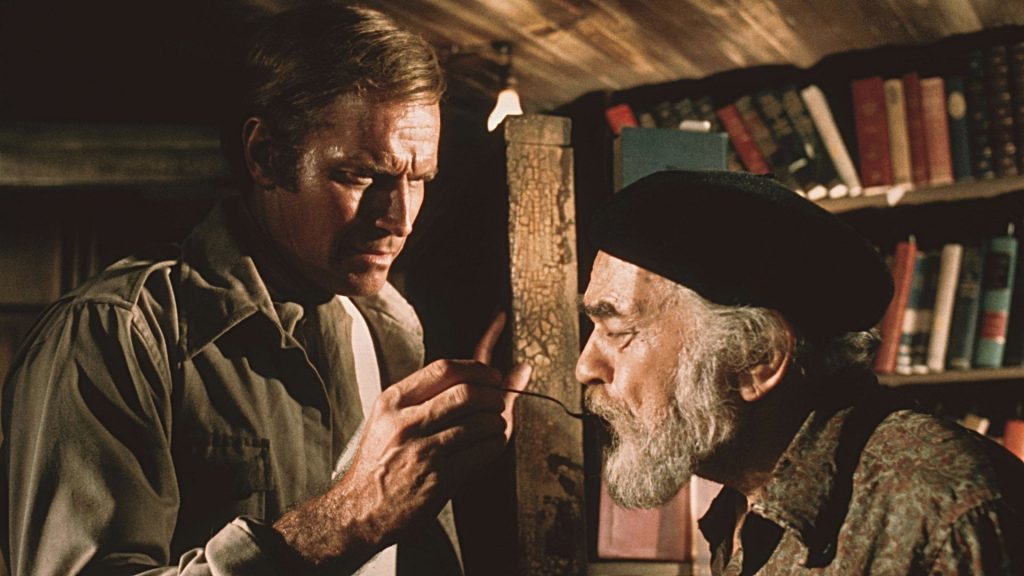
Heston is a jaded police detective, not above enjoying the fruits of petty theft, investigating the murder of a top official of the Soylent Corp. (Joseph Cotten). Edward G. Robinson, Heston’s flat mate, is an old scholar who enjoys actual books (hard to get) and longs for the taste of unobtainable food, like fruit and meat. Paula Kelly is Heston’s love interest. She sees Heston, at least initially, as a reliable meal ticket. How she grows to love him is a complete mystery.
It’s Edward G Robinson, in his last film appearance, that makes this movie work. His very presence pushes a science fiction film into a hybrid genre. Here’s Robinson, near the end, world weary, laden with wisdom, Little Caesar crossing the Rubicon, praying for a better day but resigned to the present. He is unbreakable but practical, heading out but leaving hope behind. Yes, at the terminus, so very, very human.
We are such stuff as dreams are made on.
#soylentgreen #charltonheston #edwardgrobinson #cult #dystopian #sciencefiction #film #review #letsplaysomethingelse #retro #people #shakespeare
 Let's Play Something Else