
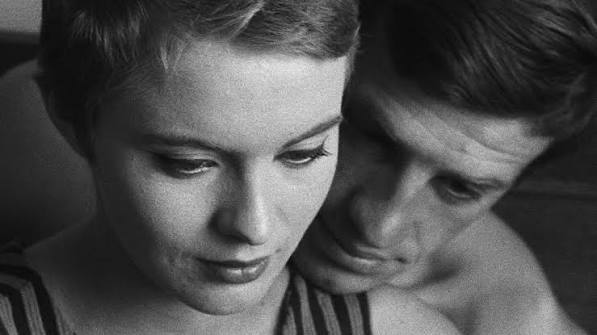
Great art ages with you: as you grow older, it too keeps pace with your years, never flagging, offering unexpected gifts. Such is Breathless (À bout de souffle), 1960.
If you watch director Jean-Luc Godard’s masterpiece when you’re young, you might interpret it as a rage against the machine, an anti-authoritarian rant. A few years pass, and now you place it in the ‘lovers on the run’ genre. Middle age gives you more empathy and perspective: this is a clear case of untreated mental illness.
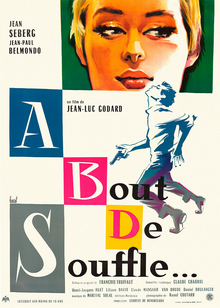
Breathless is firmly entrenched in qualities associated with the ‘French New Wave’: choices in editing, perspective, sound effects and cinematography are often unexpected and convey a strange verisimilitude—an approach strengthened with the black and white photography.
Set in Paris, we have an uncomplicated crime drama starring Jean-Paul Belmondo as a murderer/thief named Michel, and Jean Seberg as his American girlfriend Patricia. The plot takes a few twists and turns, but there is little suspense and intrigue.
Instead, Godard creates a hermetically sealed environment of amorality through which the two protagonists walk unburdened by remorse, smoking Gitanes, drinking coffee, enjoying the freedom that comes to those that see the past as only fiction. Incapable of love and commitment, Michel and Patricia recognize—perhaps in small increments—the inevitabile conclusion of such an existence. The result is that no one is ever surprised by anything, no matter how horrific, because they have no expectations.
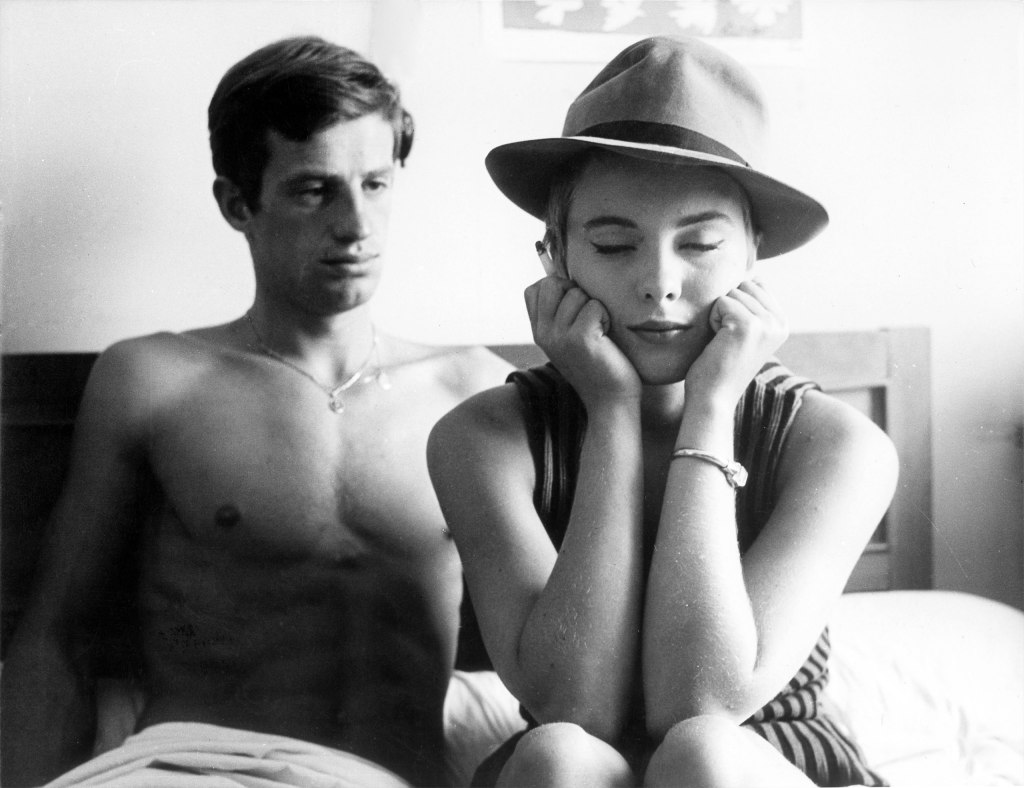
A tragedy asks for suffering, for a downfall, for some kind of catharsis, even an epiphany. That doesn’t happen here. Michel and Patricia would never ask for understanding. With no past or future, everything is a lifeless, worthless, cash deal.
#Breathless #Àboutdesouffle #jeanlucgodard #jeanpaulbelmondo #jeanseberg #french #nouvellevague #new wave #1960 #letsplaysomethingelse

